
- Transferring Catheter Production Line
- Process Validation
- Fixture Design and Test Method Validation
- Supplier / Processing Selection
- Alternate Material Selection
- Testing Optimization
Transferring Catheter Production Line

Situation: A cardiac catheter manufacturer was using an out-of-state contract development and manufacturing organization (DCMO) to supply its primary shaft; however, there were numerous quality concerns which became a critical supply chain issue that threatened the client’s ability to meet market demand.
Obstacle: The manufacturing of these shafts was complex and while the procedures were documented, a great amount of the production process was driven by technique dependency and tribal knowledge. Cross-training did not exist for this process, so it was reliant upon a select few operators.
Action: By traveling to the manufacturing site and observing the manufacturing process and interviewing the operators, tribal knowledge was revealed and documented. Key parameters were identified which allowed for the transfer of this information to the client’s manufacturing site and subsequent training of internal personnel.
Result: A fully-documented procedure was established, installed, and tested and production of the shafts internally was undertaken enabling the client to meet their production goals and quality metrics.
Process Validation
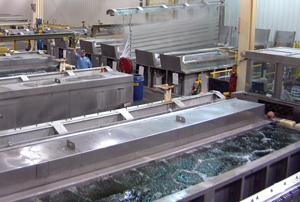
Situation: The client utilized a proprietary anodizing process designed to make aluminum survive repeated medical sterilization cycles, a critical requirement for medical-grade hardware.
Obstacle: The procedure lacked documentation and standardization, resulting in an ill-defined process window. This led to highly variable output, a high volume of expensive rework, and declining customer satisfaction.
Action: A comprehensive reverse-engineering of the manual operations using Design of Experiments (DOE) and statistical analysis was performed . By quantifying the variables, a robust operating window was defined and established allowing for standardized protocols for the manual technicians.
Result: The process was stabilized, ensuring consistent quality across all batches. Standardization effectively eliminated performance variability, drastically reduced rework costs, and restored client confidence in the proprietary coating’s reliability.
Fixture Design & Test Method Validation

Situation: A high-precision plating fixture for silver and gold pins was plagued by mechanical failures and quality issues, becoming a major production bottleneck.
Obstacle: Corrosive plating solution frequently leaked into the base, destroying internal electronics and leaving up to 70% of the bays inoperable. Repairs required time-consuming specialized technician intervention for soldering, while vague quality standards led to a 100% rework rate due to perceived surface defects.
Action: By incorporating a modular redesign that relocated electronics to the back of the bays, which shielded them from leaks, and by replacing the soldered connections with push-on wire harnesses, fixture uptime was significantly increased. A tool-less modular swap system for operators was implemented and a Gage R&R (Test Method Validation) was used to align operators, engineers, and R&D on clear visual acceptance criteria.
Result: The redesign achieved a world-class Overall Equipment Effectiveness of 88%. By empowering operators to perform instant bay replacements, the need for constant technician support was eliminated and production flow was stabilized.
Supplier / Processing Selection
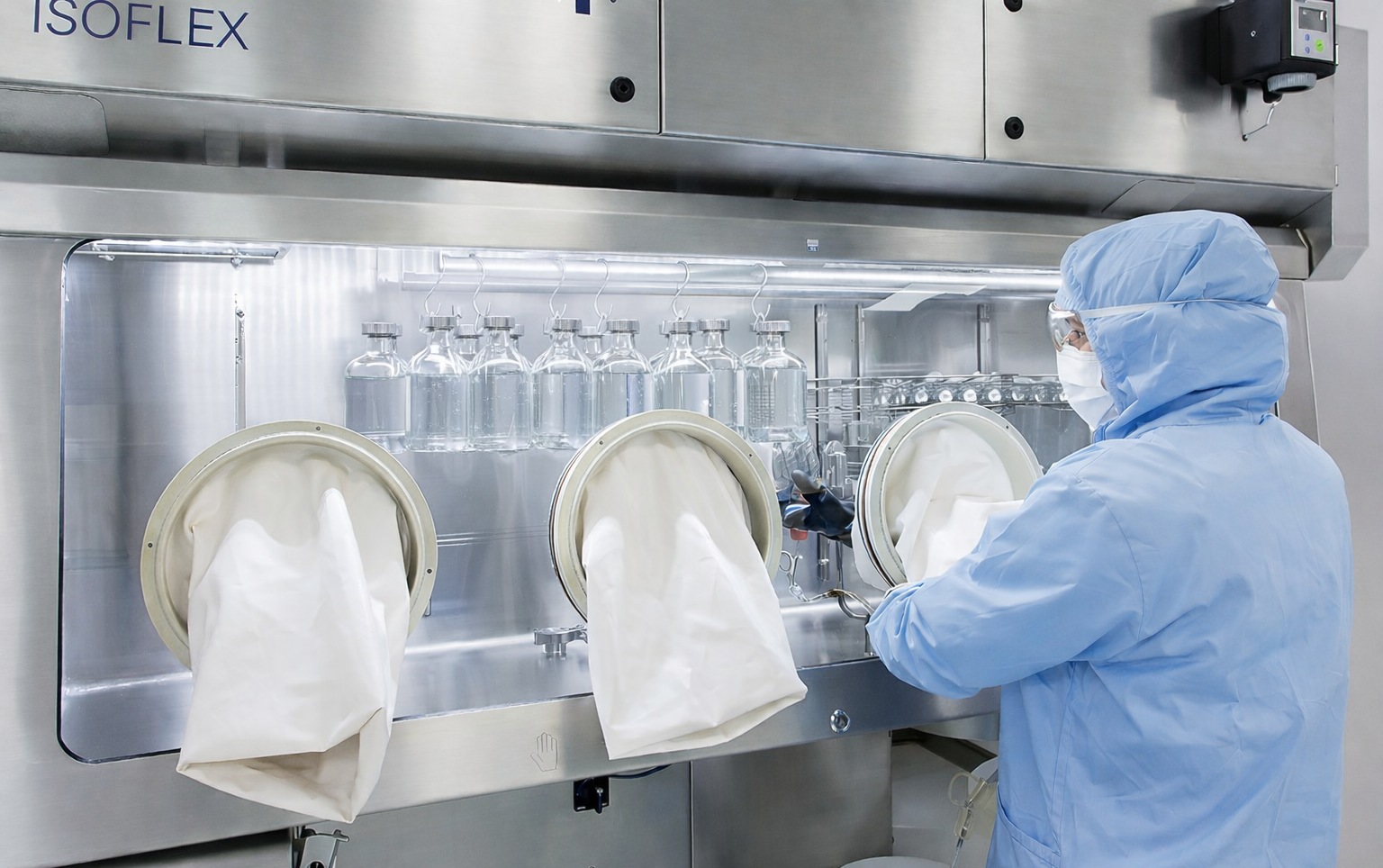
Situation: A Class III PMA medical device utilized a balloon fill media sourced via an expensive aseptic fill process. With material stocks running low and a costly revalidation of the legacy process looming, the project faced high financial pressure to maintain a 4-year validated shelf-life.
Obstacle: It was unknown to the client if transitioning to terminal sterilization was possible as there was no data available internally. The concern was that shifting sterilization methods would result in voiding the existing shelf-life validation and necessitate years of new stability testing.
Action: Through a targeted literature search, rationalization was made that the vial seal integrity and product quality were the only critical variables affecting shelf-life. Targeted testing verified these parameters, allowing for the adoption of the existing 4-year shelf-life. Evaluation of of local providers identified a terminal steam sterilization facility and the full validation process (IQ/OQ/PQ) was completed within an aggressive 7-month timeline.
Result: The new process slashed production costs by 66%, delivering $1M in savings in the first year alone. By bypassing the aseptic revalidation, the supply chain was secured and the product’s cost of goods sold (COGS) were significantly improved.
Alternative Material Selection

Situation: A Class III PMA laser ablation catheter utilized an optical window material that suffered from a sporadic but critical processing sensitivity.
Obstacle: While the defect rate was low (<0.05%), the failure was safety-critical. The challenge was to source a replacement material that eliminated this sensitivity without altering the catheter’s established optical or mechanical performance.
Action: Leading a cross-functional team to define and rank critical quality attributes (CQAs) using a Pugh Matrix, a suitable material was selected. To validate the solution against such a rare defect, extensive reliability testing (over 1,200 samples) through the external supplier was performed. By maintaining the original design architecture, the change was able to be positioned as a material-only substitution.
Result: The rigorous data package supported a streamlined 90-day FDA PMA Real-Time Supplement review and approval. The new material successfully eliminated the processing sensitivity, ensuring relief from this defect in the optical window while avoiding a lengthy Traditional PMA cycle.
Testing Optimization
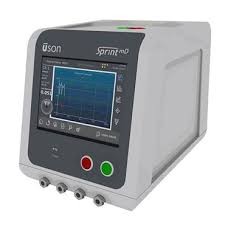
Situation: Balloon catheter manufacturer required a pressure-decay leak test to ensure air-tightness, but the existing process was inefficient.
Obstacle: The procedure was excessively long (> 4.5 minutes) and produced a high quantity of false failures, necessitating frequent, time-consuming retests.
Action: Cross-referencing ASTM leak rate standards with the catheter design requirements allowed for the development of new experiments. By immersing catheters in water during testing, new acceptance criteria were established to optimize the dwelling phase.
Result: Testing dwell time was slashed from 120 seconds to 15 seconds while maintaining 100% failure detection. By implementing a 30-second dwell phase, a 2x safety factor was provided while significantly increasing throughput and reducing false rejects.